
The Shape of Becoming — Qur’an
Another Lens on the Qur’an for an Evolving Consciousness
Published by Awaken Away Publishing
Tradition: Qur’an
What happens when a philosophy of consciousness encounters a tradition that insists becoming is not only about expansion—but also remembrance, measure, trust, accountability, surrender, and return?
About
About this book
The Shape of Becoming — Qur’an is a philosophical encounter with the Qur’an, written with one governing discipline: the source text is not asked to confirm a modern worldview.
This is not tafsir, a religious ruling, or a substitute for Islamic scholarship. Nor does it attempt to turn Islam into modern spirituality by translating its central terms into convenient equivalents. God is not reduced to consciousness, energy, nature, or the cosmos. Submission remains submission to God. Divine unity is not flattened into generic oneness. Qur’anic terms are allowed to keep their religious center before any philosophical question is drawn from them.
That restraint makes the conversation more interesting, not less.
An expansion-centered philosophy may celebrate awakening, intuition, self-definition, agency, and human possibility. The Qur’an brings another vocabulary into the room: fitrah, remembrance, heedlessness, purification, measure, trust, accountability, surrender, and return.
The result is not agreement.
It is encounter.
The book asks whether authenticity means simply uncovering the self we prefer—or becoming more faithful to an orientation deeper than preference. Whether an inner voice deserves trust simply because it comes from within. Whether greater capacity without proportion becomes distortion. Whether freedom means absence of limits or alignment with the form that makes meaningful expression possible. Whether agency becomes more mature when it learns how to exist in relationship with trust and surrender.
Again and again, the Qur’an complicates the modern language of becoming by insisting that the human being is not self-created, self-sufficient, or morally guaranteed by potential alone.
Becoming acquires direction.
For the reader
This book may be for you if…
- You are curious about the Qur’an but want a philosophical encounter rather than a claim to religious authority.
- You are interested in consciousness and willing to let Islamic concepts challenge modern spiritual assumptions.
- You value careful distinctions between what a sacred text says and what a contemporary reader infers from it.
- You are drawn to questions of authenticity, guidance, self-deception, responsibility, surrender, and return.
- You want an exploration that respects the theological center of the Qur’an rather than dissolving it into generic spirituality.
- You believe a living philosophy should remain capable of correction.
Themes
What you’ll explore
- Fitrah and the idea of an original orientation
- Human potential without spiritual grandiosity
- Form, guidance, and the difference between limits and prisons
- Signs within the self and the world
- Forgetfulness, heedlessness, and disorientation
- The many voices within the self
- Self-observation, conscience, and accountability
- Purification of the instrument through which we perceive
- Measure, proportion, and balanced becoming
- Trust and responsibility
- Agency in relationship with surrender
- Remembrance and return
- The difference between resonance and proof
- What it means for a philosophy to be changed by the tradition it approaches
Continue exploring
Related books
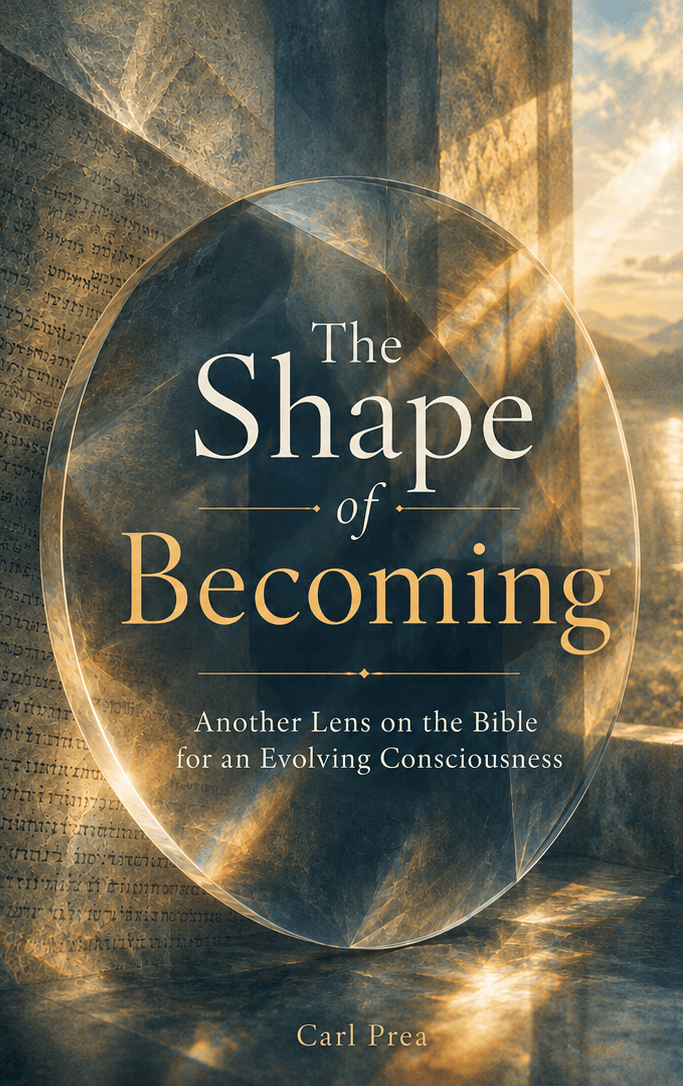
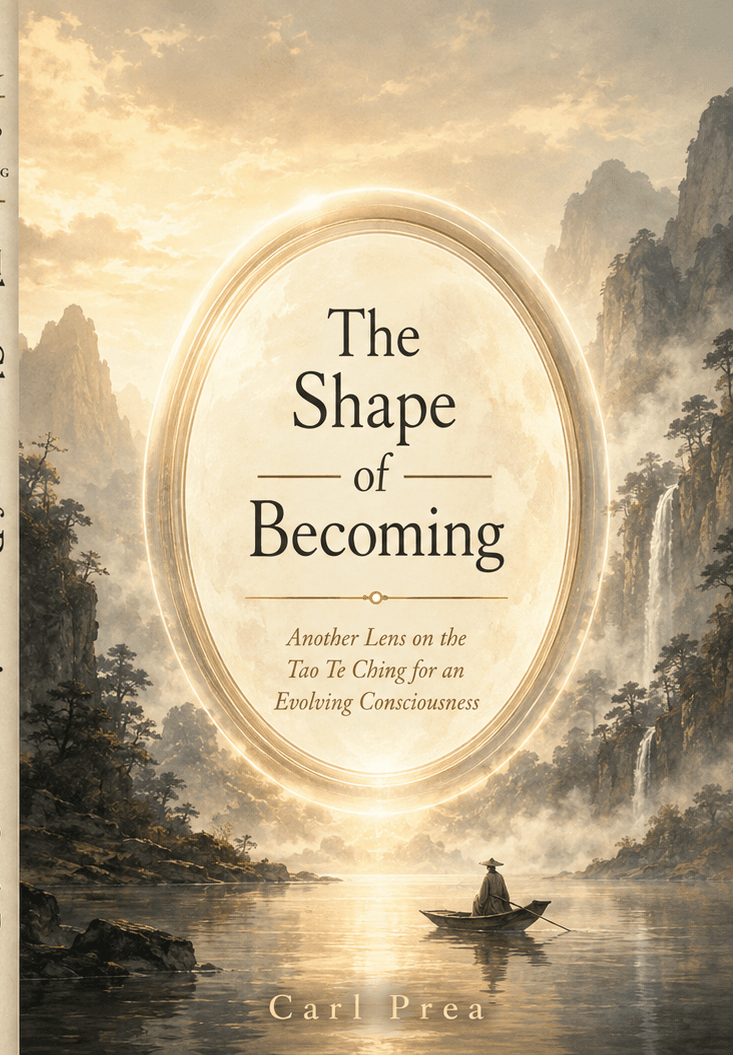
The Shape of Becoming — Tao Te Ching
Another Lens on the Tao Te Ching for an Evolving Consciousness
Explore book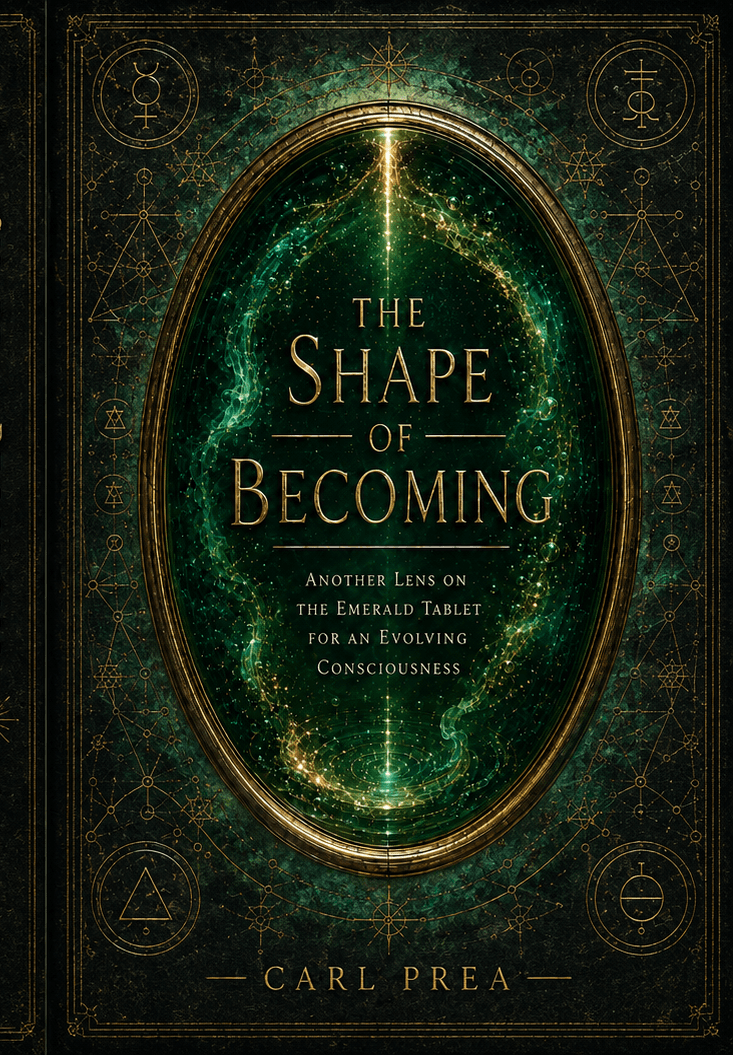
The Shape of Becoming — Emerald Tablet
Another Lens on the Emerald Tablet for an Evolving Consciousness
Explore book